

High Court Brings Greater Clarity on Trust Distributions
The High Court’s decision in Commissioner of Taxation v Bendel [2026] HCA 18 provides important clarity for discretionary trusts and corporate beneficiaries. The Court confirmed that an unpaid trust distribution does not automatically constitute a Division 7A loan.
While this may reduce compliance requirements for some business groups, other tax rules, including section 100A, can still apply. With proposed trust tax changes from 1 July 2028, now is a good time to review your trust arrangements.

Ending card surcharges: What you need to know before 1 October 2026
From 1 October 2026, businesses will no longer be able to charge surcharges on eftpos, Mastercard or Visa payments following major reforms announced by the Reserve Bank of Australia. The changes will also reduce merchant card fees and increase fee transparency, helping many businesses lower payment costs. Businesses should review their merchant agreements, update pricing and POS systems, and prepare for the new rules. Our team can help you understand the impact and ensure you're ready for the transition.
Updates to Budget Measures and New Developments
The Government has announced further changes to several key tax measures following the 2026–27 Federal Budget. Updates include a new CGT concession for innovative start-up investors, expanded access to the small business CGT active asset reduction, an exemption for genuine testamentary trusts from the proposed 30% minimum tax rate, and the removal of new SMSF borrowing arrangements for residential property (with existing arrangements expected to be grandfathered). Further details are expected as consultation continues.

End-of-Financial-Year Tax Update: Actions Required Prior to 30 June 2026 and Legislative Changes from 1 July 2026
Stay ahead of the new financial year with our latest tax update. We highlight key actions to consider before 30 June 2026 and outline important tax, superannuation, and payroll changes commencing from 1 July 2026.

New ATO ‘Verify Call’ Feature: Instant Protection Against Phone Scams
ATO scam calls are becoming more sophisticated — but a new feature in the ATO app now makes it easier than ever to protect yourself. The ATO’s new ‘Verify Call’ tool allows taxpayers to instantly confirm whether a caller is genuinely from the ATO, helping reduce the risk of scams, identity theft, and fraudulent refund activity. With tax time approaching, now is the ideal time to update your app, strengthen your myID security, and stay one step ahead of scammers.
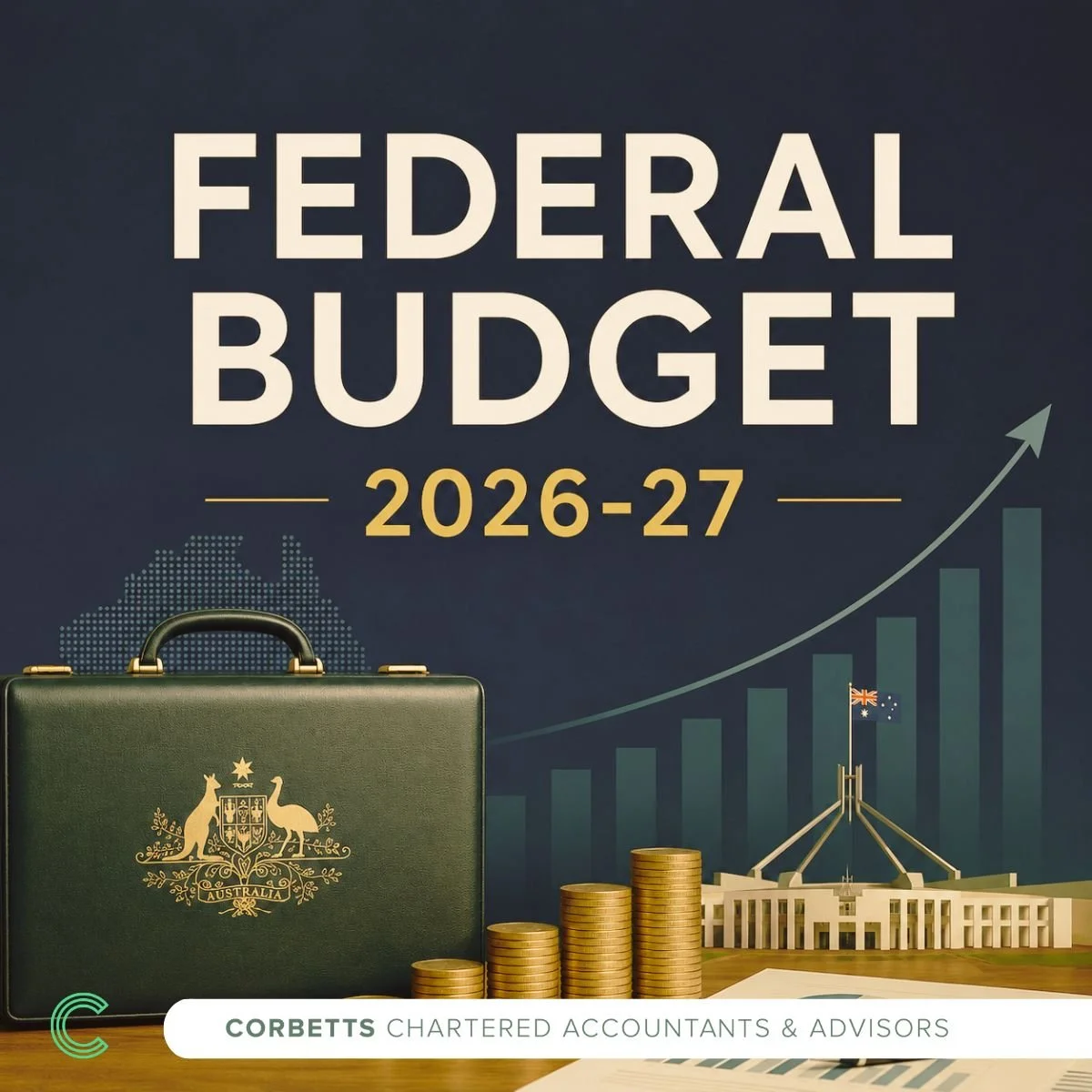
Federal Budget 2026-27
The 2026–27 Federal Budget introduces some of the most significant proposed tax and housing reforms in recent years. Key measures include changes to negative gearing and the CGT discount, a minimum 30% tax on discretionary trust distributions, a permanent $20,000 instant asset write-off for small business, and new tax relief measures for workers and low-income earners.

The ATO Targets FBT on Work Vehicles: Don’t Let Assumptions Cost You
The ATO is tightening FBT checks on work vehicles. Dual-cab utes aren’t automatically exempt, and any private use may trigger FBT. Accurate apportionment, proper records, and timely lodgement are essential to avoid penalties and audits. A proactive approach helps protect cash flow and ensure compliance.

DPN Review: A Wake-Up Call for Business Owners on Personal Tax Risks
With Director Penalty Notices (DPNs) up 136% in 2024–25, the ATO is increasingly holding directors personally liable for unpaid PAYG, GST, and super. This surge has triggered a Tax Ombudsman review into how these notices are issued and enforced.

Electric Car Discounts Under Review: What It Means for Your Business and What You Should Do Now
Australia’s Electric Car Discount offers significant tax savings through FBT exemptions and higher LCT thresholds for eligible EVs. Although the rules are under review, no changes have been announced—making now a smart time to consider your options.
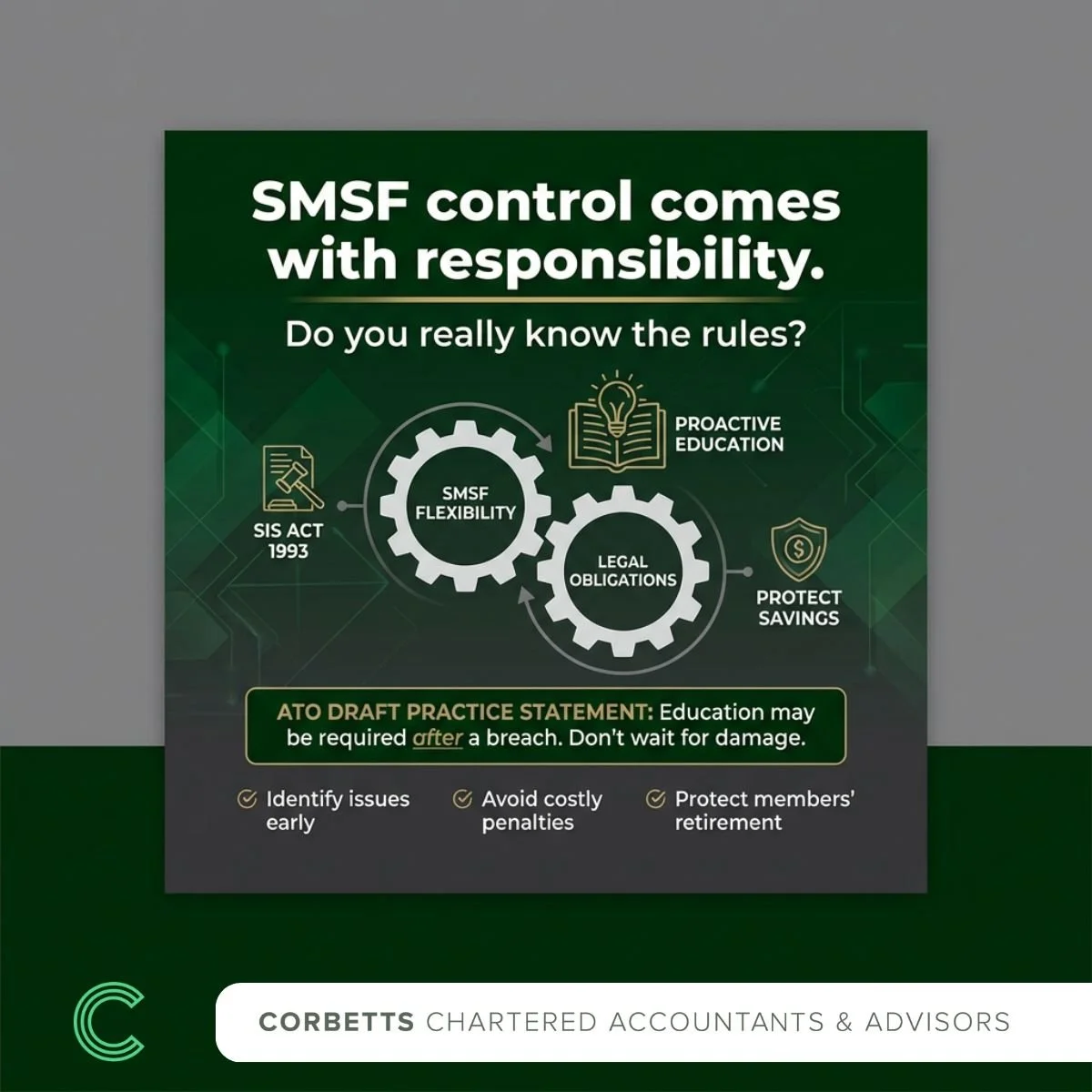
Know the Rules Before You Break Them: Why SMSF Education Matters More Than Ever
Running (or setting up) a self-managed super fund gives trustees flexibility — but it also brings strict legal obligations under the Superannuation Industry (Supervision) Act 1993. Many SMSF breaches occur simply because trustees don’t fully understand their duties.